How Can Kitchen Gear Help Reduce Cross-Contamination?
A practical, source-based look at how cutting boards, utensils, cloths, and storage habits can support cleaner kitchen routines and safer food handling.
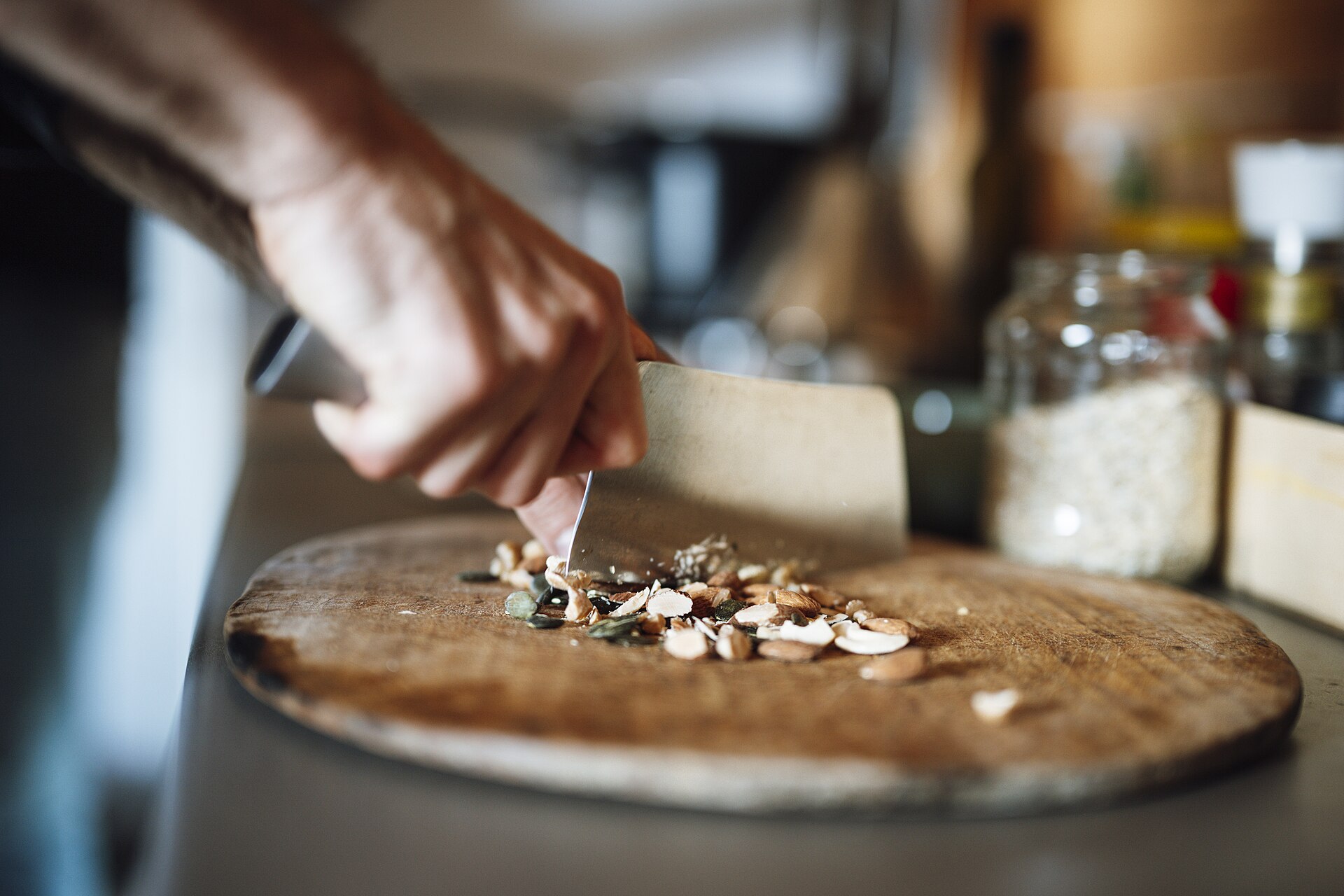
Cover: Own work · Wikimedia Commons · CC BY 2.0
Question: How can kitchen gear help reduce cross-contamination?
Why the right gear matters
Cross-contamination can happen when harmful germs move from raw foods to ready-to-eat foods through cutting boards, utensils, hands, cloths, or countertops. Kitchen gear does not replace careful food handling, but having enough tools and a clear cleaning routine can make separation easier to maintain.
Separate raw and ready-to-eat tasks
Food safety guidance emphasizes keeping raw meat, poultry, seafood, and eggs separate from ready-to-eat foods such as salads, fruit, and cooked dishes. Distinct cutting boards or utensils for raw foods can be one way to make that separation easier during meal preparation.
Clean tools and surfaces after use
Washing cutting boards, dishes, utensils, and countertops with hot soapy water after contact with raw foods is commonly described in food-safety resources. Some gear can be sanitized or washed in a dishwasher, but manufacturer care instructions vary by material and finish, so it is worth checking before choosing a cleaning method.
Think about cloths, storage, and wear
Clean cloths or paper towels are often used for wiping surfaces, and changing them when they become soiled helps avoid spreading contamination. Storing clean tools where they can dry and stay protected from splashes and dust supports a tidy kitchen routine. Cutting boards and utensils that are cracked, deeply scored, or difficult to clean may be harder to maintain hygienically and may be worth retiring.