Home Gear Basics: A Beginner's Guide to Choosing and Keeping Household Equipment
A beginner-friendly overview of what home gear includes, how to start from household tasks, and why compatibility, storage, maintenance, and reliable references matter.
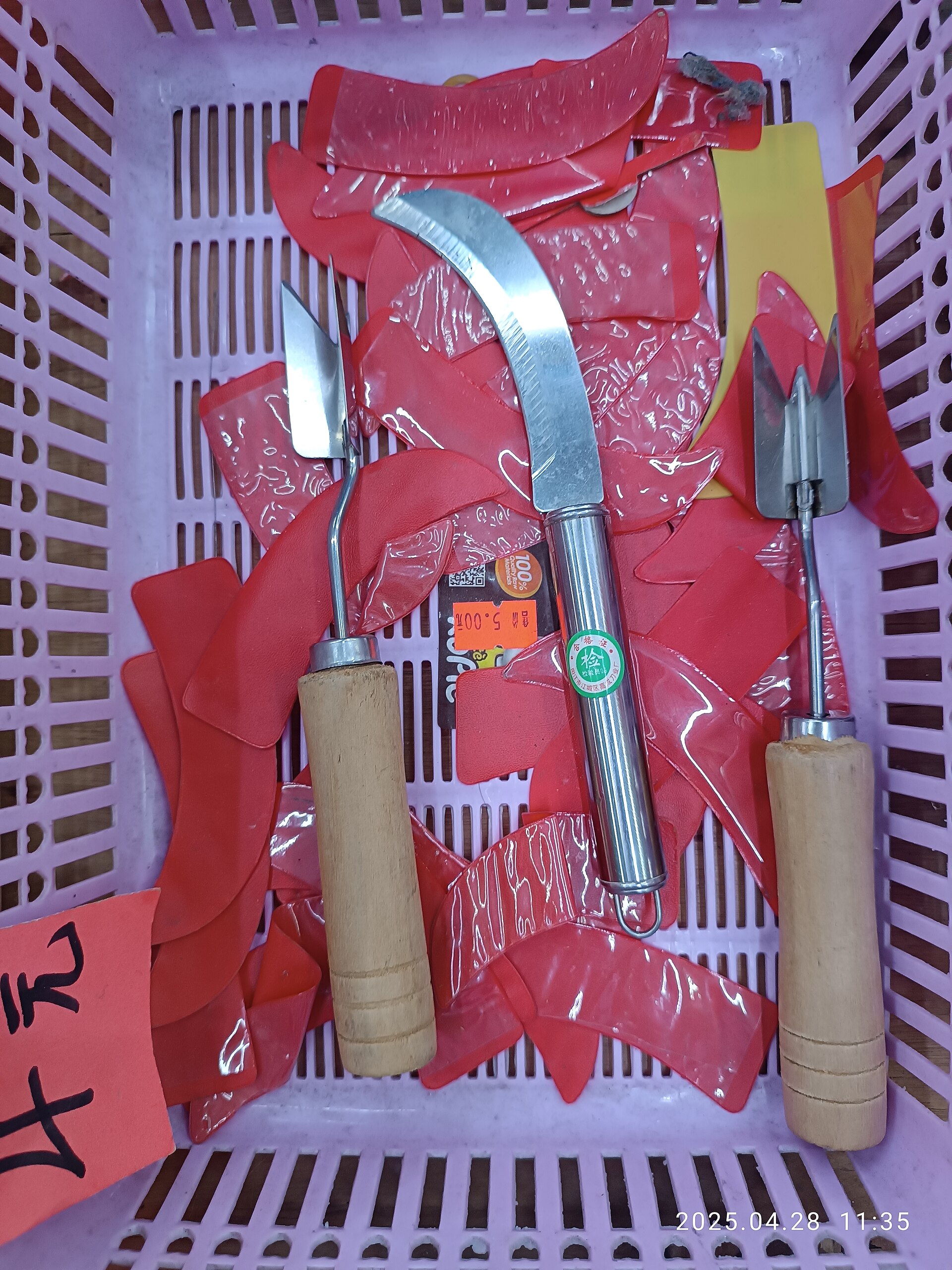
Cover: Own work · Wikimedia Commons · CC0
Question: What should a beginner understand about choosing, storing, and maintaining home gear?
What home gear covers
Home gear is a broad label for the tools, equipment, and supplies used to care for a home and carry out routine household tasks. It can include hand tools, ladders, extension cords, cleaning equipment, storage items, and small repair or maintenance items. Because the category is broad, the useful question is not whether something counts as home gear, but whether it fits a real household task and can be stored and maintained sensibly.
Start with tasks, not a shopping list
A task-first approach helps beginners separate occasional needs from frequent ones. Listing the household tasks that actually come up, and the spaces where gear will be used, makes it easier to identify what is genuinely useful and what can be borrowed, rented, or postponed. This approach also keeps the focus on function rather than on accumulating a large collection.
Check compatibility and existing systems
Home gear often works with something already in the home, such as a tool battery system, a vacuum, a storage cabinet, or an electrical outlet. Compatibility is a practical constraint that is easy to overlook. Product labels, manuals, and public consumer-safety resources are better sources for general information than packaging claims or social media summaries.
Plan storage and access
Storage is part of choosing gear. Items that are heavy, sharp, electrical, or chemical need a designated place that keeps them organized and away from inappropriate use. Clear labels, accessible shelving, and a simple inventory can reduce duplication. In shared homes, agreed storage locations make it easier to find items and see when something needs attention.
Keep maintenance and end-of-life in mind
Even simple household equipment needs periodic checks, cleaning, and eventual replacement. Keeping manufacturer instructions, receipts, and warranty information together supports consistent care and disposal. Manufacturer guidance commonly identifies damaged electrical items, unstable ladders, and leaking containers as items to stop using and check against reliable safety information.
Use reliable references
Government consumer-safety pages, workplace-safety resources, and manufacturer documentation are useful starting points for general education. They do not replace the instructions that come with a specific item or professional help for tasks that exceed a beginner's skill. Tasks involving electrical work, gas, structural changes, or hazardous materials generally call for qualified help and attention to local requirements.