A Beginner's Guide to Choosing and Organizing Basic Home Tools
A beginner-friendly look at what basic home gear is for, how to think about tool categories, storage, care, and knowing when a task may need professional help.
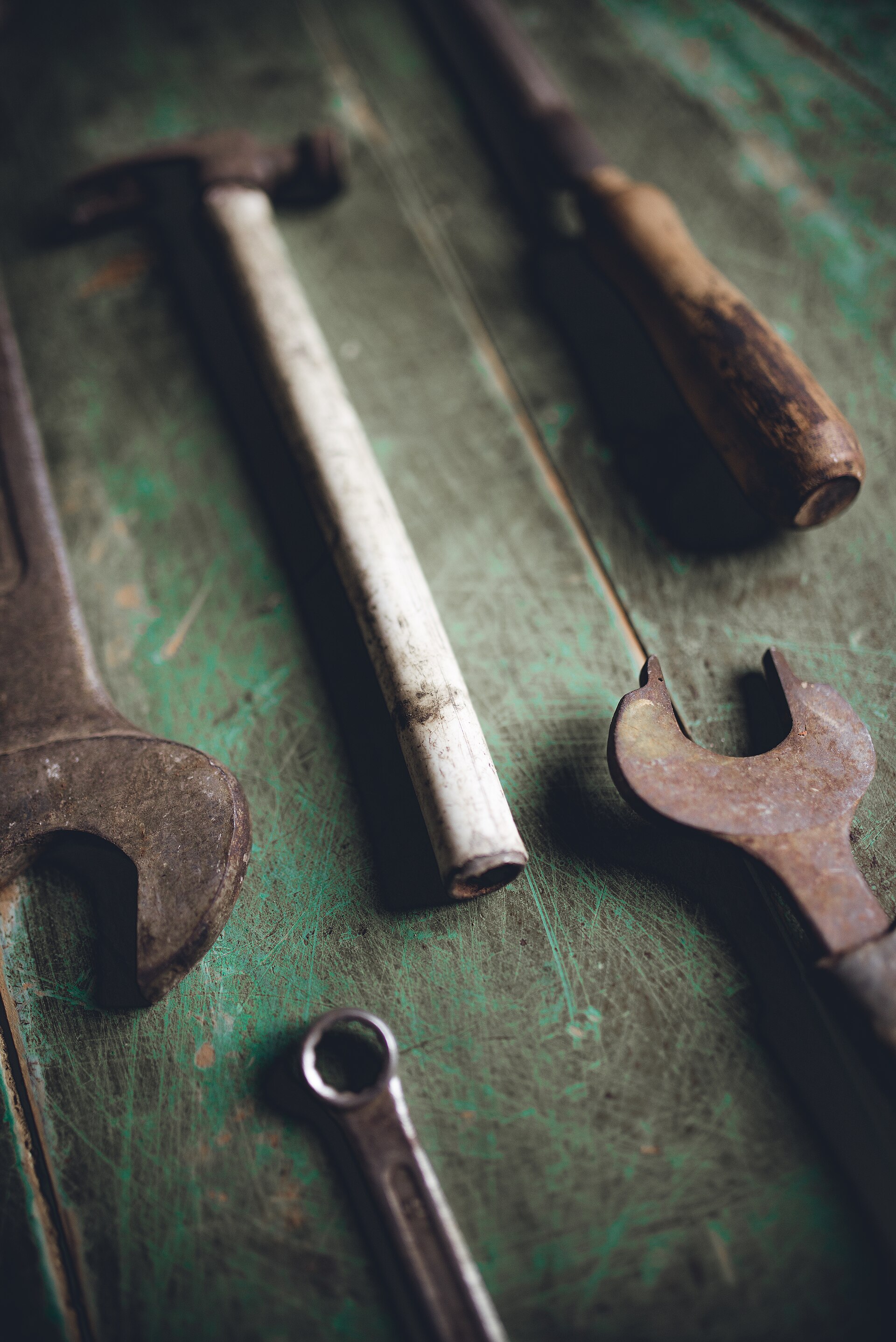
Cover: Own work · Wikimedia Commons · CC BY 2.0
Question: What should a beginner know about choosing, storing, and maintaining basic home gear for common household tasks?
Start with the tasks, not the shopping list
A useful home tool collection usually starts with the jobs a person actually expects to face: hanging a picture, tightening a loose fitting, assembling furniture, or making small adjustments. Beginners can make better choices by noting recurring tasks and storage limits before adding gear. This keeps the collection focused and avoids buying specialized items that may rarely be used.
Common categories beginners encounter
General home gear often falls into broad categories such as measuring and marking, driving and turning, gripping and cutting, holding and support, and basic protective items. These categories help beginners compare tools by purpose rather than brand. Specialized gear can be added later when a specific project calls for it, and manufacturer instructions often inform use.
Storage and organization
A consistent storage spot makes home gear easier to find and inspect. Toolboxes, bags, bins, labels, and simple dividers can help separate small parts and keep manuals with related items. Many households also benefit from keeping batteries, fasteners, and protective items organized separately so they are easy to locate when needed.
Care and inspection
Basic care commonly includes keeping tools clean and dry, checking for visible damage, and following the maker's guidance for maintenance and storage. Damaged or unfamiliar equipment is a reason to pause and seek qualified advice rather than force a repair. Good records, such as keeping manuals and notes with the tool, can make future maintenance simpler.
Safety and knowing the limits
Protective items such as eye protection and gloves are commonly part of home gear, but they do not replace careful judgment. Electrical, gas, structural, and other high-risk work may require a licensed professional, and local rules can vary. A beginner-friendly approach is to learn the purpose of each tool, read instructions, and ask for help when a task feels beyond basic household maintenance.
How beginners can build confidence
Confidence often grows through small, low-risk tasks and careful observation. Beginners can start with simple assembly or adjustment jobs, keep instructions nearby, and build a habit of returning tools to their storage place. Over time, a focused collection and a tidy workspace can make common household tasks feel more manageable without turning the home into a workshop.